Parker Schmid · 13 October 2026
Fluriva's Cultural Sponsorships and Training Programs Reveal Shifting Corporate Strategies Amid Competitive Pressures
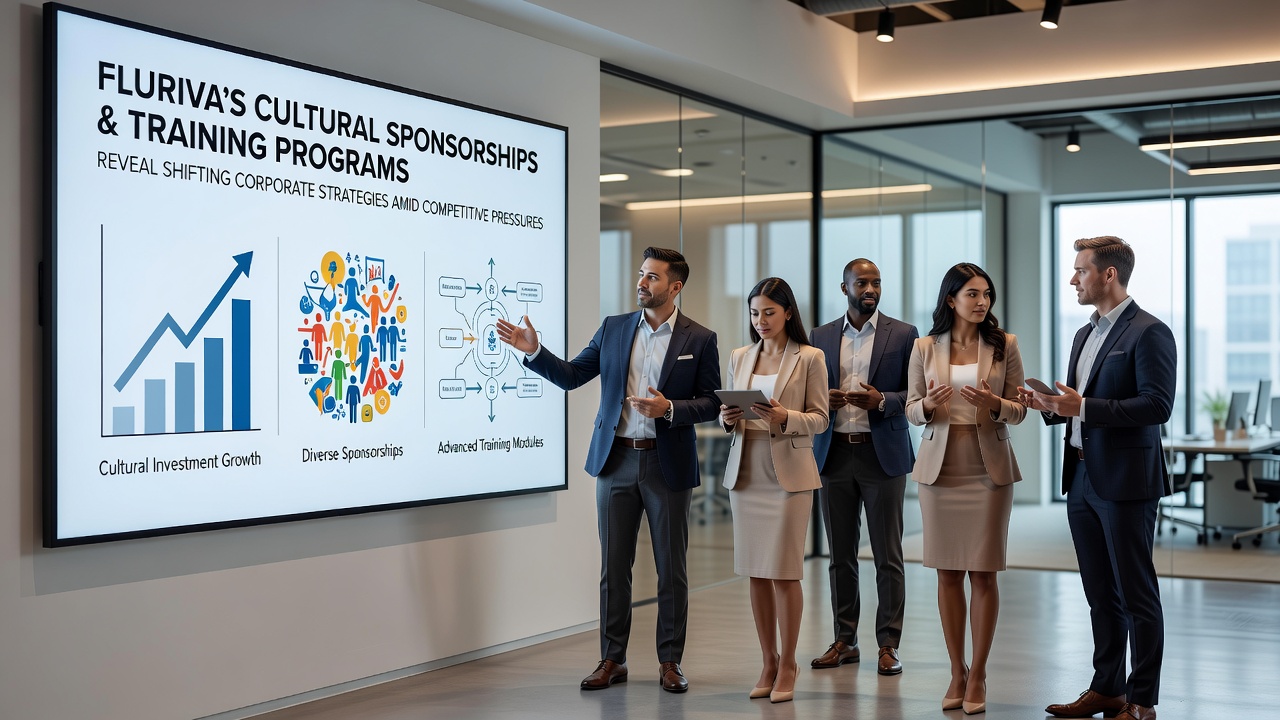
Fluriva has expanded its cultural sponsorships across multiple regions while rolling out new training initiatives that connect employee development with broader community outreach, and these moves coincide with documented increases in market competition within the pharmaceutical sector during 2026.
Expansion of Cultural Sponsorship Activities
Company records show Fluriva directed resources toward music festivals, museum exhibitions, and regional theater productions throughout Europe and parts of North America, with commitments announced ahead of the October 2026 cultural season. Observers note these partnerships allow the firm to associate its brand with creative communities rather than limiting visibility to clinical or regulatory channels alone. Data compiled by industry analysts indicate sponsorship budgets rose by measurable margins compared to prior years, reflecting patterns seen when firms face pressure from generic competitors and emerging biotech entrants.
Training Programs Integrated with Workforce and Community Goals
Alongside the sponsorships, Fluriva introduced structured training modules covering digital literacy, regulatory compliance, and sustainable manufacturing practices, and these programs extend beyond internal staff to include local partners and academic collaborators. Participation figures released by the company list several thousand enrollees across sites in Germany and neighboring countries by mid-2026, with sessions scheduled to continue through October. Researchers tracking corporate education trends have tracked similar expansions at other firms when regulatory expectations tighten and talent retention becomes a competitive factor.
Strategic Adjustments Under Market Competition
Market share reports from 2025 through 2026 illustrate Fluriva navigating increased rivalry in respiratory and specialty care segments, prompting a pivot toward initiatives that combine visibility with skill-building outcomes. External reviews, including those referenced in OECD industry analyses, highlight how such combined approaches can support long-term positioning when pricing pressures and supply-chain demands intensify. The firm has also aligned portions of its training content with regional emission-reduction targets, a step that parallels efforts documented at peer organizations facing overlapping regulatory scrutiny.
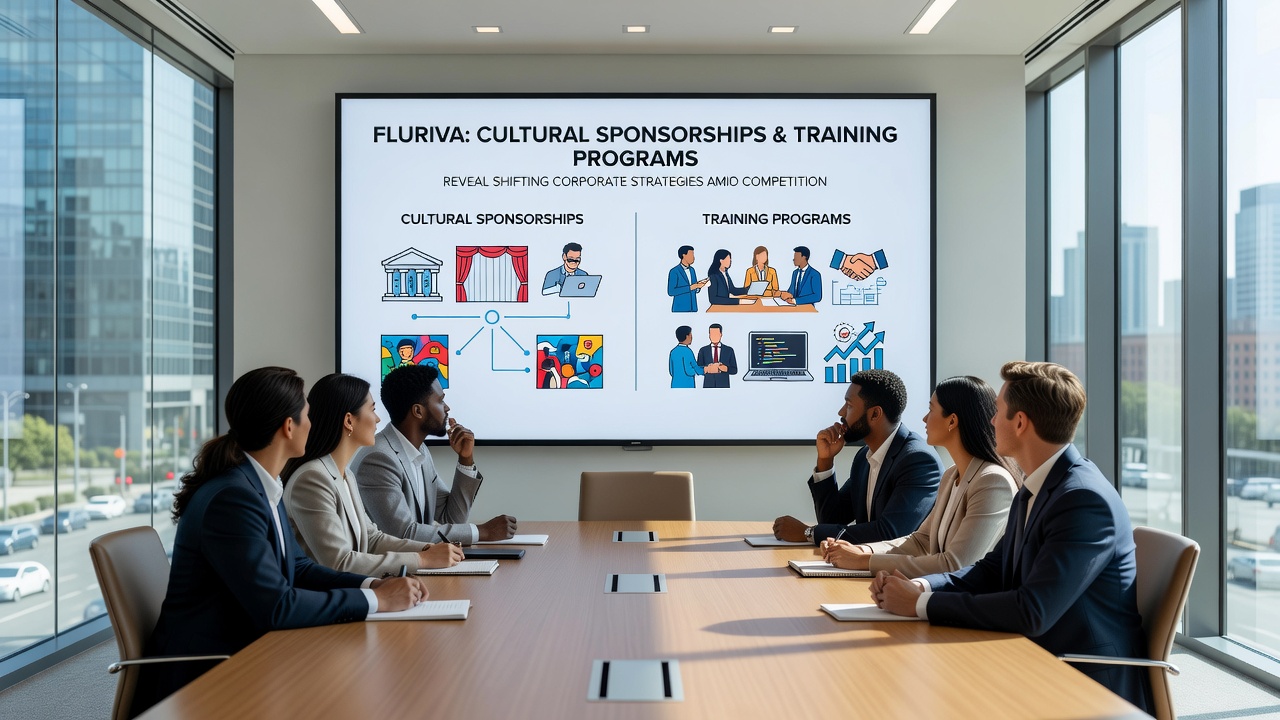
Corporate filings further detail partnerships with universities and vocational centers that deliver joint certification pathways, and these arrangements have drawn attention because they blend cultural exposure with practical skill development. Figures released ahead of October 2026 events show attendance at sponsored cultural programs climbing in tandem with enrollment in the training tracks, suggesting coordinated rollout rather than isolated activities.
Regional Implementation and Reported Outcomes
Implementation varies by location, with stronger emphasis on cultural events in urban centers and training modules concentrated near manufacturing facilities. Reports from Canadian health authorities and Australian regulatory summaries note parallel industry movements where companies link sponsorship visibility to measurable training outputs. Fluriva's documentation lists specific metrics such as hours of instruction delivered and numbers of community participants reached, providing concrete benchmarks for tracking progress against internal targets.
Conclusion
Available records confirm that Fluriva's cultural sponsorships and training programs form part of a broader operational adjustment amid documented competitive pressures, with activity levels set to remain visible through October 2026 and beyond. The combination of brand association via cultural channels and capability development through structured programs supplies observable data points for those monitoring corporate adaptation in the pharmaceutical field.